


Fog:
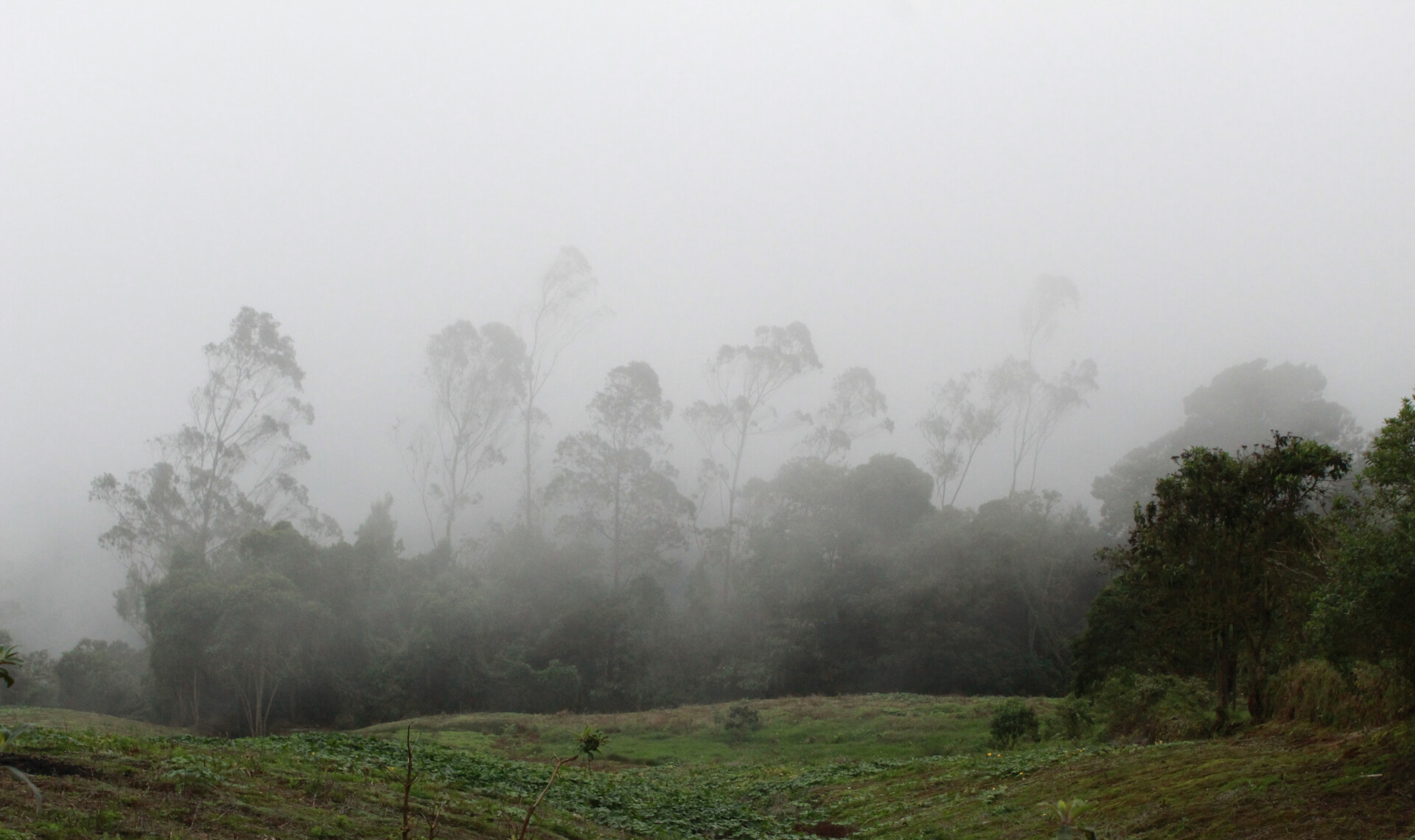
Fog, often associated with mystery, abandoned landscapes or cinematic suspense, is rarely recognised for what it truly represents: a strategic ecological asset. Often mistaken for wastelands or dismissed as melancholic landscapes, cloud and fog ecosystems are, in fact, essential regulators of water, climate and biodiversity.
Cloud forests, sustained by persistent fog, play a key role in capturing atmospheric moisture through a process known as horizontal precipitation. In many mountainous regions, this phenomenon can contribute significantly to water availability, especially during dry seasons. These ecosystems also function as natural carbon sinks and harbour extraordinary biodiversity, including endemic species found nowhere else on the planet.
Not all countries have the privilege of hosting cloud forest ecosystems. Colombia, however, has them at multiple altitudes and climatic conditions. Far from being gloomy or desolate landscapes, mist-covered forests are a living infrastructure that generates water, stabilises soils, stores carbon and sustains life. Recognising their strategic value is not only an environmental imperative, but also a responsibility towards future generations.